26 May 2026
Echoes in the Logs: Linking Hand Histories to Bankroll Thresholds That Signal When Multi-Table Loads Need Recalibration in Cash Games
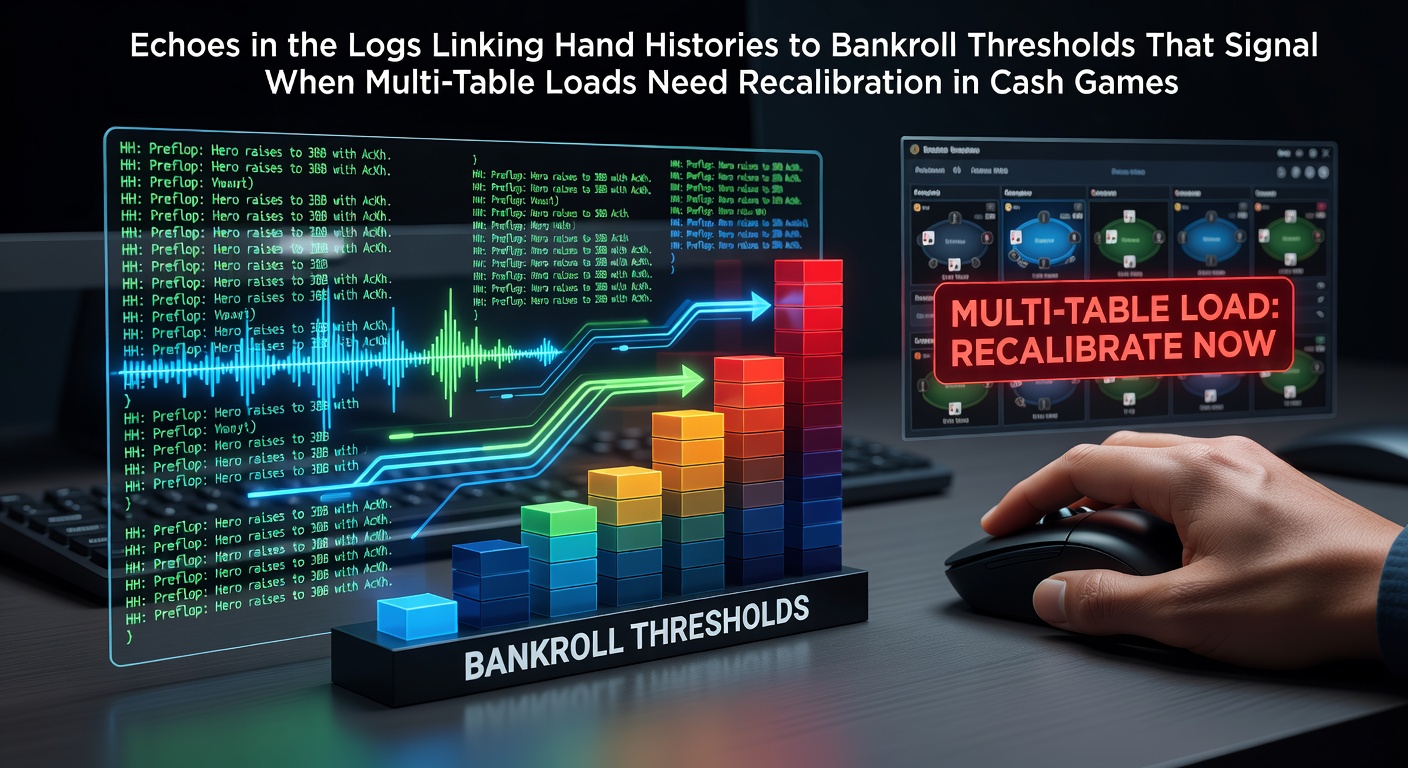
Hand histories in online cash games contain patterns that connect directly to bankroll fluctuations, and observers note how these records help determine when adjustments to table counts become necessary. Players track session data to identify points where variance exceeds standard bankroll guidelines, which often include maintaining 20 to 30 buy-ins for a single table and scaling upward for additional tables. In May 2026, platform reports highlighted increased scrutiny on these metrics as more users adopted multi-tabling strategies amid stable traffic levels across major sites.
Bankroll Thresholds in Multi-Table Cash Games
Standard bankroll management requires buffers that account for simultaneous tables, since each added table multiplies exposure to downswings. Research from gambling behavior studies shows that thresholds typically trigger recalibration when a player's stack drops below 25 buy-ins for four or more tables, prompting a reduction to maintain risk parameters. Those who monitor equity curves find that crossing these lines correlates with performance shifts visible in aggregated hand data rather than isolated results.
Thresholds vary by stake level and game type, yet common benchmarks emerge from industry reports that emphasize conservative scaling. For instance, a drop equivalent to 15 percent of the allocated bankroll segment often signals the need to drop one or two tables until recovery occurs. Analysts review historical sessions to confirm whether such thresholds reflect temporary variance or require structural changes in table load.
Connecting Hand Histories to Performance Indicators
Hand history software extracts metrics such as VPIP, aggression factors, and showdown winnings that align with bankroll movements over extended periods. When win rates decline across multiple sessions while table counts remain constant, the data points to potential overload conditions that precede larger drawdowns. Observers note patterns where increased fold frequency after river decisions coincides with accelerated bankroll erosion in logs from players handling six or more tables.
One documented approach involves exporting logs into analysis tools to filter hands by time of day and table volume, revealing clusters where decision quality slips after three hours of continuous play. These clusters frequently precede threshold breaches, allowing recalibration before the bankroll segment falls below recommended safety margins. Data from platform archives in 2026 demonstrated that players who cross-referenced histories with equity graphs adjusted table loads earlier than those relying solely on session summaries.
Signals That Prompt Load Recalibration
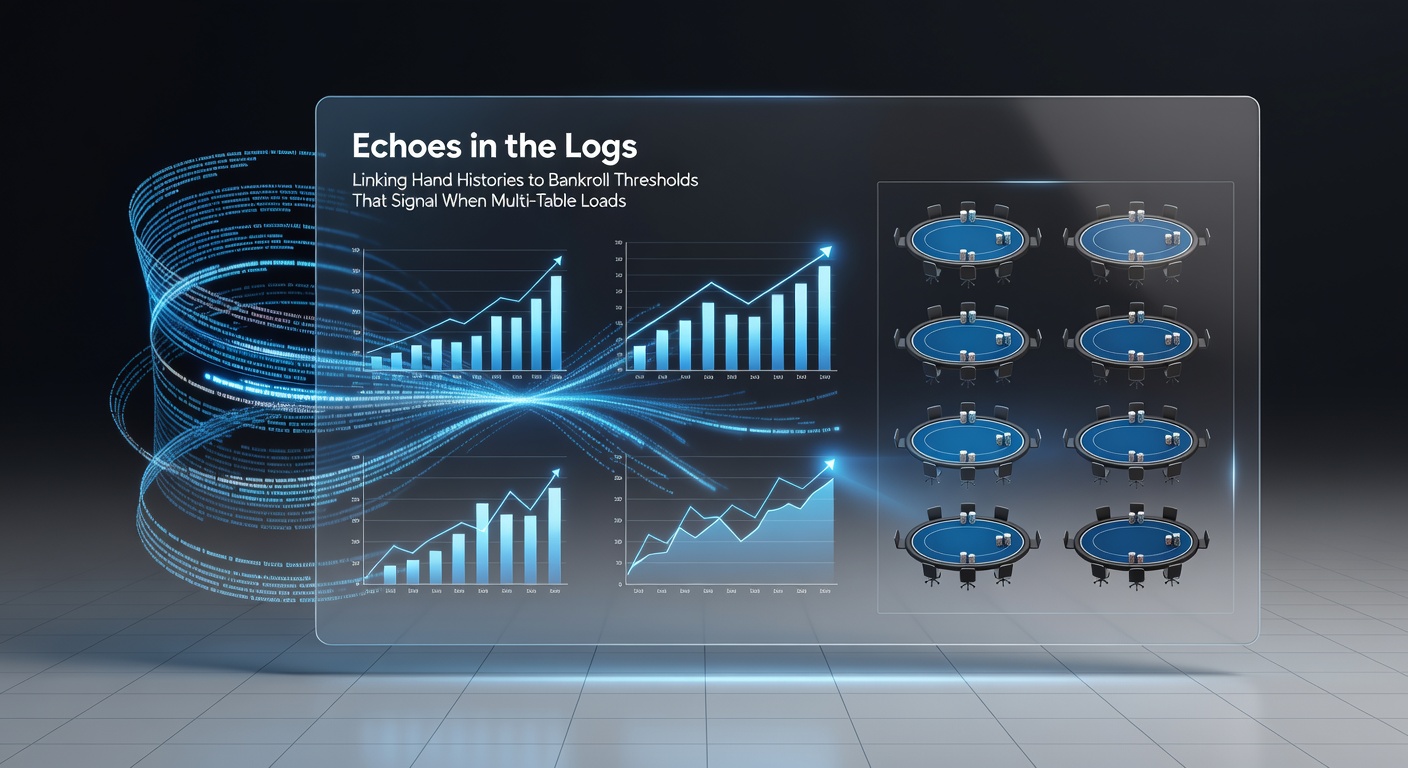
Recalibration signals appear when hand histories show sustained decreases in expected value per hand alongside rising standard deviation across table counts. Studies indicate that a 10 percent or greater reduction in hourly win rate over 5,000 hands often aligns with bankroll thresholds that warrant dropping tables. Players examine these sequences to distinguish between skill-based leaks and volume-related fatigue effects.
Additional indicators include spikes in post-flop folding rates that exceed historical norms for the same player pool, combined with bankroll erosion that approaches the lower end of the 20-buy-in buffer. Reports from regulatory bodies in various regions, including Victorian Responsible Gambling research, underscore how behavioral data logs help identify when multi-table sessions exceed sustainable limits. Another source from Canadian research centers highlights similar correlations in session length and financial outcomes.
Practical Application Through Log Review
Review processes start with sorting histories by date and table volume to isolate periods of bankroll decline. Users then calculate metrics like big blinds won per 100 hands segmented by table count, which clarifies whether added tables dilute overall performance. When these figures drop below established baselines, recalibration follows by reducing active tables until metrics stabilize.
Examples from tracked sessions reveal that players who maintained logs over multiple months detected threshold crossings an average of two sessions earlier than those without structured reviews. This timing difference preserved larger portions of bankroll segments and allowed quicker returns to higher table loads once recovery benchmarks were met. Platform data from 2026 confirmed that such systematic approaches appeared more frequently among mid-stakes participants.
Conclusion
Linking hand histories to bankroll thresholds provides a measurable framework for deciding when multi-table loads require adjustment in cash games. The patterns extracted from logs offer objective markers that align with established management principles, supporting consistent recalibration across varying session volumes. Continued analysis of these connections remains central to sustaining bankroll integrity as participation in online formats evolves.