19 May 2026
Rebuilding a Life at the Tables: Ken Strauss Seven Years After the Naked Bandit Episode

Seven years have passed since the 2019 World Series of Poker Main Event incident in Las Vegas that earned Ken Strauss the nickname Naked Bandit, and observers note how the former player has focused on long-term sobriety along with court-mandated therapy while reconnecting with members of the poker community, and data from the National Institute of Mental Health shows that structured recovery programs often support individuals facing similar challenges with sleep deprivation and substance use. Strauss turned his attention toward mental health awareness through participation in the Charity Series of Poker, where he shares experiences about recognizing early warning signs such as excessive drinking combined with prolonged wakefulness during tournament play.
The 2019 Incident and Its Immediate Aftermath
The event unfolded during one of the largest poker tournaments in the world, when Strauss experienced a psychotic episode that led to his removal from the venue, yet court records and community accounts describe how legal proceedings directed him toward mandatory therapeutic interventions rather than permanent exclusion from the game he loved. Those who followed the case at the time observed that the episode highlighted pressures within high-stakes environments, including extended hours without adequate rest and reliance on alcohol to manage stress, and researchers at institutions studying gaming behaviors have documented similar patterns in competitive card rooms across the United States.
Path to Recovery Through Sobriety and Therapy
Strauss committed to sobriety following the episode, and professionals involved in his case report that consistent therapy sessions addressed underlying factors while helping him rebuild daily routines that support mental stability. Friends in the poker scene describe gradual reconnection through informal gatherings and low-pressure games, where Strauss began discussing the importance of monitoring physical exhaustion before it escalates into more severe symptoms, and this shift aligns with findings from academic studies on recovery in recreational gambling populations that emphasize community support as a key component alongside clinical treatment.
By focusing on these practical steps, Strauss created space for advocacy work that reaches beyond personal experience, and participants in recovery programs often find that sharing stories reduces stigma while encouraging others to seek help early. The reality is that warning signs like sleep deprivation rarely appear in isolation, so combining them with patterns of heavy drinking can compound risks during extended tournament schedules that stretch across multiple days and nights.
Engagement with the Charity Series of Poker and Current Advocacy
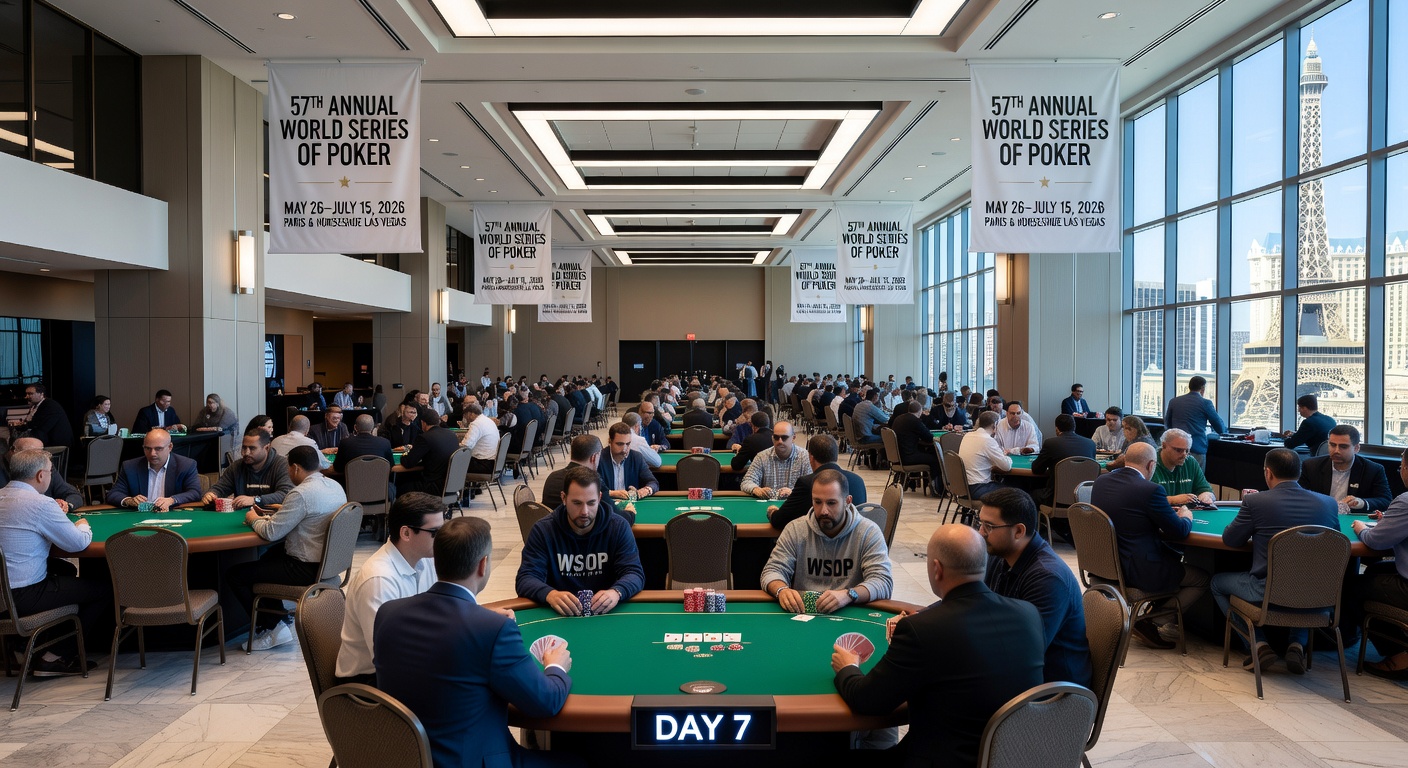
In May 2026 Strauss joined events organized by the Charity Series of Poker, using the platform to promote awareness campaigns that target players who might overlook accumulating fatigue during multi-day competitions. Organizers note his involvement has included panel discussions and one-on-one conversations where he outlines specific strategies such as setting strict sleep schedules and limiting alcohol intake even in social settings around the tables. Those who've studied community-driven initiatives in poker report that peer-led messaging tends to land effectively because it comes from someone who has navigated the same environment and emerged with renewed priorities centered on health rather than solely on results.
Strauss has also connected with broader networks that address mental health in gaming contexts, drawing from resources provided by groups like the American Gaming Association which track industry trends and promote responsible participation guidelines. Evidence suggests that incorporating these messages into charity-focused tournaments creates opportunities for players to reflect on their own habits without feeling singled out, and the approach integrates naturally into the social fabric of events that already emphasize giving back through fundraising.
Recognizing Warning Signs in Poker Environments
Advocacy efforts highlight practical indicators that Strauss and others now encourage the community to watch for, including difficulty concentrating after consecutive late nights and increased reliance on drinks to stay engaged. Observers who attend these sessions often remark on how straightforward the advice remains: establish boundaries around rest and consumption before entering high-pressure situations, since data from various research institutions shows that cumulative sleep loss can intensify existing vulnerabilities during competitive play. Strauss presents these points through personal context rather than abstract theory, allowing listeners to connect the dots between past incidents and current prevention methods.
Reconnection with poker friends has played a central role in sustaining these changes, as informal check-ins provide ongoing accountability that complements formal therapy. People who've followed Strauss's progress note that the emphasis has moved from individual achievement at the felt to collective well-being within the larger circle of players, dealers, and organizers who share the same spaces year after year.
Conclusion
The narrative surrounding Strauss demonstrates how one person's experience can contribute to wider conversations about mental health in poker, and the combination of sobriety, therapy, and community ties continues to shape his involvement in events like the Charity Series of Poker. As tournaments prepare for upcoming schedules in 2026 and beyond, the focus on identifying warning signs offers a framework that others can apply directly to their own routines, turning individual recovery into shared knowledge that supports safer participation across the board.